What a Professional Facial Really Does for Your Skin
Beyond the glow: the measurable benefits of clinical facial treatments—and how to get the most from them.
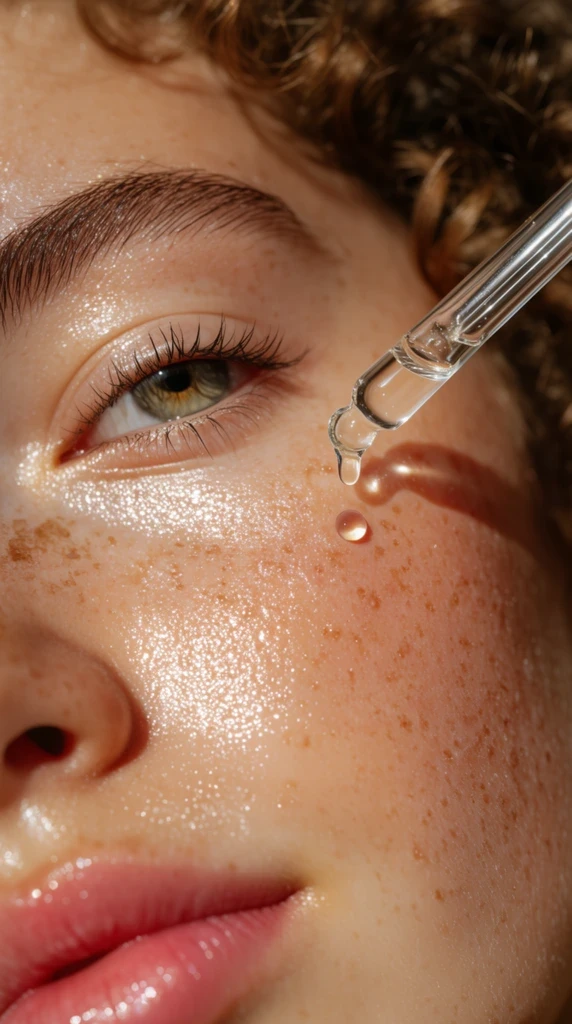
It’s easy to think of a facial as pure indulgence—warm towels, soft music, a glow that lasts until the weekend. But a well-performed clinical facial does far more. It works with your skin’s biology to improve how it functions, not just how it looks tonight.
How skin renews itself
Your outer skin layer turns over roughly every 28 days, slowing with age, stress, and sun exposure. When renewal lags, dead cells build up: skin looks dull, pores congest, and products struggle to penetrate.
Professional exfoliation—enzymes, gentle acids, or dermaplaning—clears that build-up safely, helping skin renew at a healthier pace and letting your home skincare routine work harder.
The benefits of a professional facial
Deeper, safer extractions
Trained hands clear congestion without the scarring and inflammation that come from picking at home.
Targeted actives
Clinical-strength serums, masks, and LED light deliver ingredients at concentrations and depths that over-the-counter products can’t reach.
Lymphatic support
Facial massage stimulates circulation and lymphatic drainage, reducing puffiness and bringing oxygen-rich blood to the surface.
Why your esthetician matters
The same treatment can transform one complexion and irritate another. A skilled esthetician reads your skin at every visit—adjusting for dehydration, sensitivity, or seasonal change—so each facial meets your skin where it is.
How often should you get a facial?
For most people, every four to six weeks matches the skin’s natural renewal cycle. Paired with a consistent home routine, regular facials build cumulative results: clearer pores, a stronger skin barrier, and a complexion that recovers quickly.